Project Overview
Meet Kitty Biotechnologies, your new best friend for simplifying the chaotic world of plasmid design in molecular biology research. Imagine if you took all the fun and functionality of GitHub and said, "Hey, let’s make this for DNA!" that’s Kitty in a nutshell. Whether you're designing plasmids, sharing them with colleagues, or managing a complex genetic project, Kitty gives you a slick, collaborative platform to create, tweak, and version control your plasmid sequences like a pro.
Kitty’s web-based interface is basically the ultimate playground for biologists. You can start a project, invite your lab mates to join, and track every little tweak in your sequences over time. Need to annotate genetic elements? Check. Want to map out restriction enzyme sites or align sequences like a cloning wizard? Double-check. It even lets you simulate entire cloning procedures! And in true open-source fashion, you can fork plasmid designs, propose new edits, and either merge them in or toss them out just like a bunch of code junkies arguing over commits on GitHub, but with DNA.
Technologies Used
- Flask
- MySQL
- Git
- Jquery
Story
It all started during the summer of my second year in biotech (almost 4 years ago, when I almost don’t know to code), when I was deep in the trenches of lab work and molecular biology assignments. You know, the usual routine: pipetting liquids so tiny they’d make a drop of water look like a swimming pool, trying to remember which plasmid I was supposed to be working on, and repeatedly failing to insert a gene into a vector like it was some kind of molecular version of Tetris.
After weeks of feeling like I was this close to making friends with my lab equipment, I had a thought: “Why isn’t there a GitHub for plasmids?” Surely I couldn’t be the only one drowning in a sea of sequences, restriction sites, and bacterial strains. And so, in a moment of what I assumed to be pure genius (but in retrospect was more like early web developer delusion), I decided to build Kitty Biotechnologies.
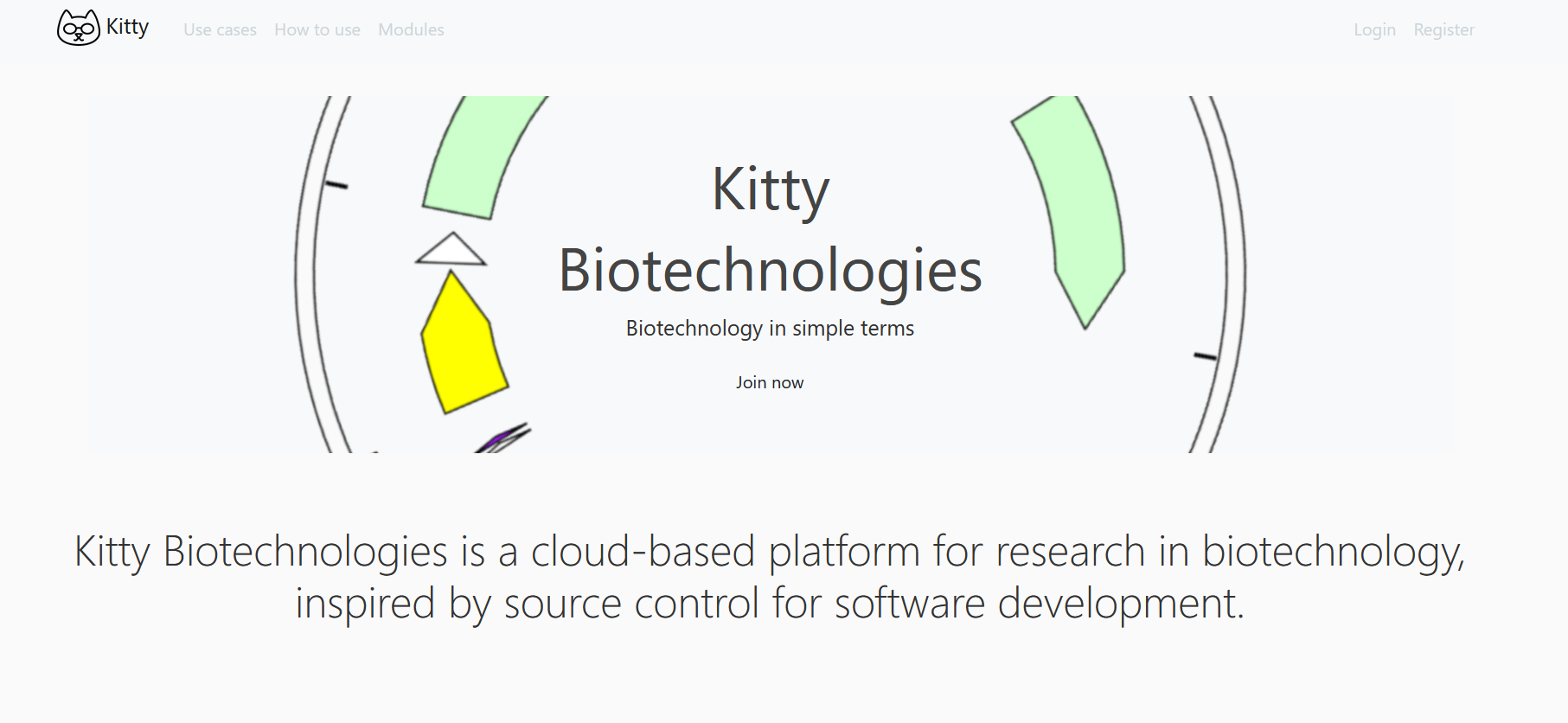
Humble beginnings
Armed with my laptop, a shaky understanding of web development, a lot of blind optimism and a silly domain, I set off to create what I believed would be the future of plasmid design collaboration. The first version of Kitty wasn’t exactly a masterpiece, but hey, it worked kind of. You could upload sequences, make minor edits, and share them with your friends (if you could convince them to sign up, that is).
I even added a version control system, which was essentially git under the hood. I thought, This is it! This is how I’m going to revolutionize biology! My lab mates were... less enthusiastic. Let’s just say my first users weren’t clamoring for plasmid collaboration they were mostly clamoring for more free coffee in the lab.
But hey, the project was alive! Sort of like Frankenstein’s monster except instead of lightning bolts, it ran on spaghetti code. (And not the good spaghetti, either. We’re talking day-old, questionably-sauced spaghetti you would make in your first Factorio run.)
For a while, Kitty chugged along, slightly ignored but stubbornly online, like that one plant in the corner of your room that you occasionally water but suspect is mostly living off sheer willpower. At one point, I even added forking and pull requests, because clearly every molecular biologist wants to deal with the same conflicts programmers do. (Merge conflict in your plasmid? Just like real life! Isn’t that exciting?)
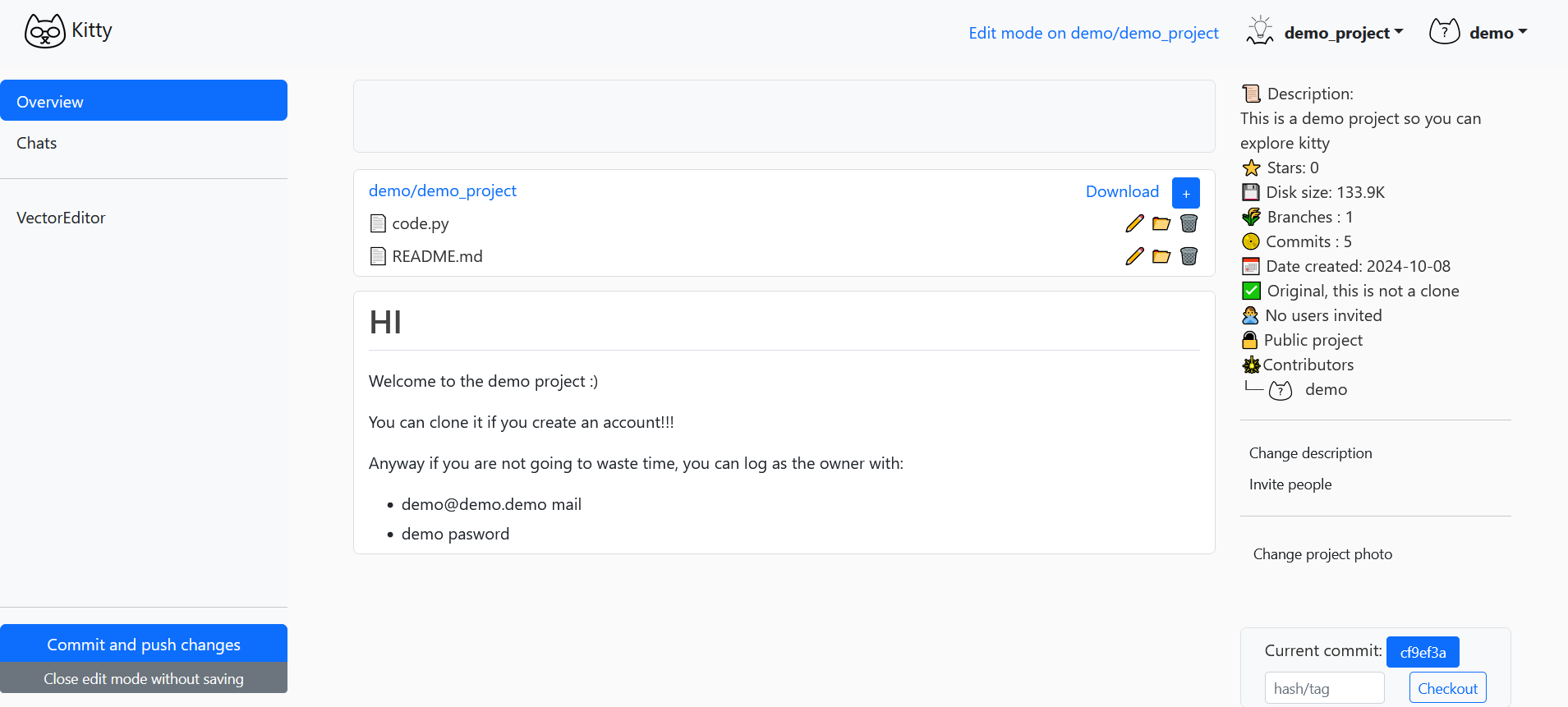
The Zombie Phase
By the end of the year, Kitty had officially entered its "zombie project" phase. It still existed, but no one, including me, was quite sure why. It was like the software equivalent of that guy who still shows up to parties even though no one remembers inviting him. I kept the servers running, but the excitement fizzled out as reality set in: the platform was barely usable, I was deep into coursework, and let’s be honest I was still traumatized from debugging my first JavaScript error.
Kitty didn’t "die" in the traditional sense. It just sort of… wandered off into the digital wilderness. There were no dramatic farewells, no weeping grad students mourning its loss just the quiet hum of a project that had gone a little too far and achieved a little too little.
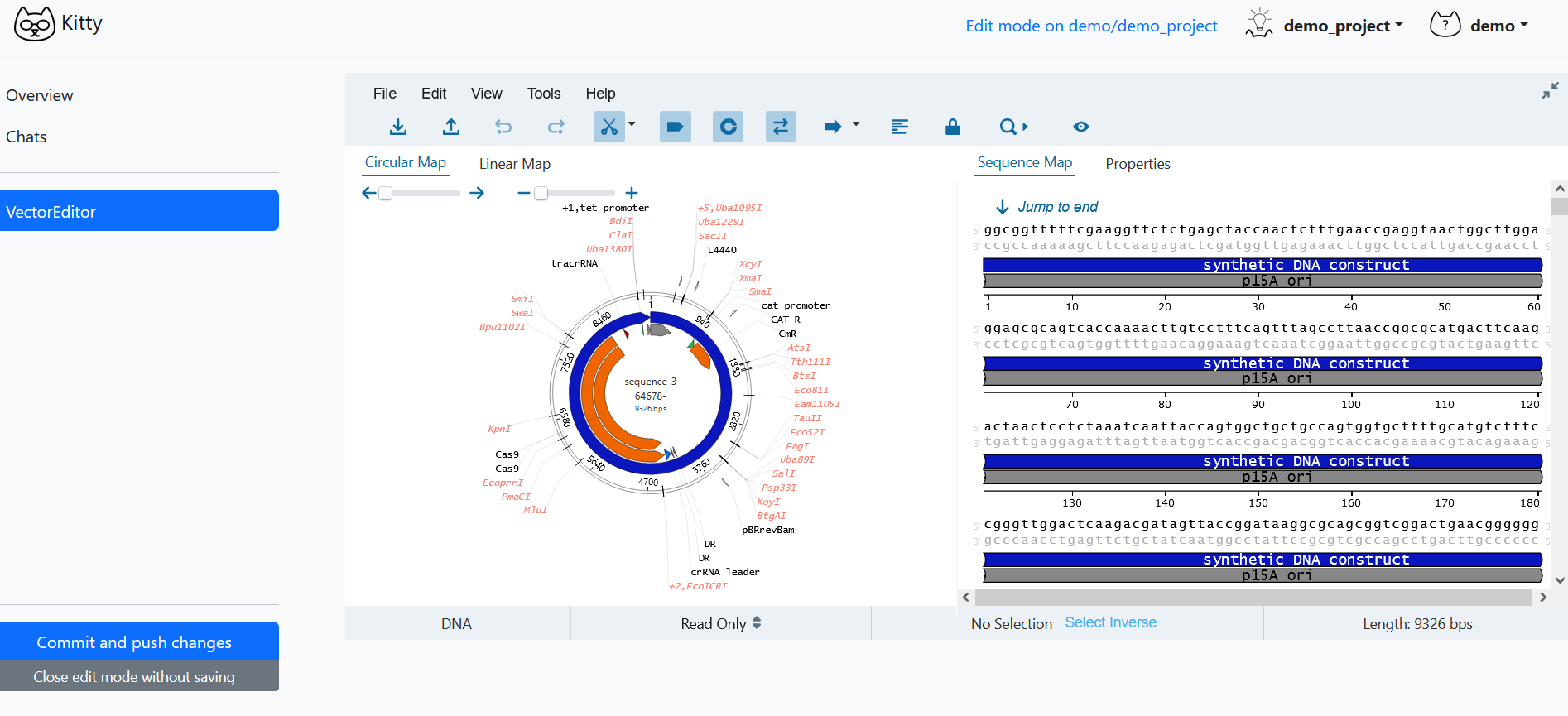
The future?
Fast forward a couple of years: I’m now much wiser, a bit more jaded, and definitely better at coding (I think). I’ve learned about actual best practices, things like "write readable code" and "don’t copy and paste entire libraries just to make one button work." After slogging through biotech internships, building bioinformatics tools, and surviving a particularly cruel semester of biostatistics, I realized I wasn’t quite done with Kitty.
It turns out, the idea wasn’t bad just the execution (and, let’s be honest, my original coding skills). So now, I’m planning on rebuilding it from scratch because, well, that’s what you do when your original project was held together by digital duct tape and raw hope.
While I work on Kitty 2.0, the original zombie version is still up and running! Yes, you can still experience the chaos of my early coding days firsthand. I’ve even set up a demo account so you can poke around and test the glorious features from back when I thought JSON was some kind of protein. Go ahead, try it out if you dare. Just remember, it's like visiting a digital museum of my biotech struggles. The link is down there somewhere :)